
We Love A Winner...
Unless we disagree with them.

We know more about athletes than ever before. We see them in closeup HD. We see them in carefully crafted publicity and commercial campaigns. We see them in their social media. Around the Olympics, there’s even more. We see them in the vignettes that NBC produces, well-crafted packages designed to humanize the person who runs faster and skis better than anyone you’ve ever met.
It can create some real parasocial interaction. That smiling young face, the ones with something to prove to themselves and their neighbors, and the ones trying to show their kids what heart and determination look like, they come into our homes, and we think we know them. They are from places we’ve heard of; they wear the same colors in the same patterns which we hold dear.
Even though almost none of us will ever climb to the top of a podium, and few of us have any real chance of becoming the best in the world at something, we carry with us, just as they do, aches and pains and worries and injuries and fear and love. Yet, for some reason, we aren’t so willing to let them do that.
This is what it means to be an American athlete on the biggest stage in your sport. You hear the ringing cheers and are embraced by coaches and teammates and family and competitors. Maybe you hear your anthem played for you. You face ridicule and scorn, vitriol and threats from far corners.
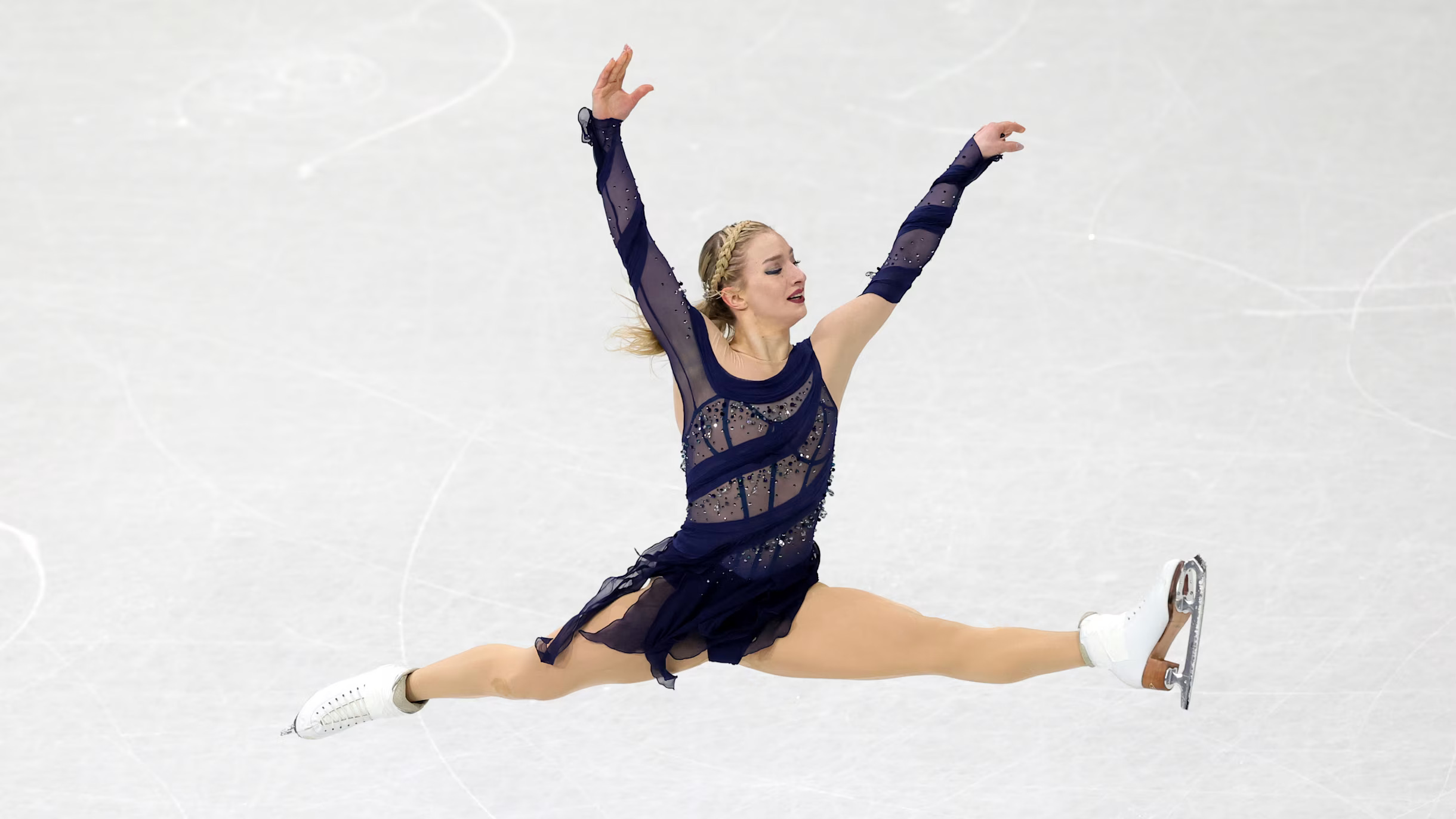
Picture by 2026 Getty Images
Amber Glenn, three times the U.S. champion in figure skating, had a rough go of it in Italy the other day. An event she was poised to dominate didn’t go her way and one mistake saw the gold medal favorite fall to 13th place. Then, on Thursday in the longer routine, she skated well, but was tense, despite sitting atop the field midway through the routines. She ultimately finished fifth, seeing her teammate and friend Alysa Liu win the gold. Both women – Glenn is 26 and Liu will turn 21 this year – have faced a great deal of invective and contempt while representing the United States. Others have too.
It could be that’s because of the ways they live their lives. It could be because they dare have opinions. It could be that they have politics. It could be that they are American, and this somehow comes with the territory now.
The modern athlete -- coming from a generation that places a high value on themselves, their worth, their health, and their psyche -- has a keen understanding of the understanding they might receive from others. They learn this through the years of intense training and focus required to become their best. We should all stop for a moment and think about what that takes: the boldness of self-belief, the vulnerability to depend on others. The discipline it takes to pull of this together, day in, and day out. In that, they don’t have to pretend. They can live their lives, even if much of it is spent in the all-consuming effort of honing all the other things required to chase perfection, to even see it, in the distance, if only for a moment, to become The Best.
That’s what America wants, to see their athletes be the best. Sport is, among other things, an escape. It shields us from the worries of our own day. It transports us to goals beyond our own. It is an opiate from the aches, pains, shortcomings and the weight of knowing, precisely knowing, where we tried hard and where we mailed it in. Sport can also create a great nationalistic fervor. Nationalism can create highly identified fans.
We teach students that highly identified fans see the team as an expression of themselves, that the team can reflect the fan’s conscious and unconscious behavior. Sport fan identification is the degree to which a fan feels a psychological connection. Often, it is tied to the fan’s self-esteem. We teach students that this level of fandom has some interesting and compelling phenomenon that go along with it. Two of them are BIRGing and CORFing. Basking in Reflected Glory is what you’re doing when you’re associating yourself with the team’s victories. We beat Canada! USA! It was a beautiful thing, to watch Team USA hockey, arm in arm, swaying back and forth, singing the anthem in joy and pride after a come-from-behind victory.
Cutting Off Reflected Failure is what happens when you distance yourself from the team, or the athlete.
Olympians might wonder why it is that a highly nationalistic country, with a nationalistic fanbase, has so many people who would so loudly try to insult and denigrate the young men and women representing the rest of us, the best we have to offer, and among the best athletes in the world. Olympians might wonder what those highly identified fans are actually cheering for. It isn’t the athlete. It isn’t Team USA.
They might know, too, that those sorts of people aren’t worth their time, or concern.
 | A guest post by
|